一期一会 Why Japan? Well, just because. And, of course, the food. The reality is, that the seeds were planted in my youth and were watered by chance meetings, events, and life experiences. It seems vacuous to say this, but, if you grew up on the west coast of Canada, you know that sushi is a recognized food group. I started eating sushi before I could speak and would try to bite anyone going for my flying fish roe. As I grew older (and able to do things like speak and ride a bike), my immersion into the mountain bike world meant I watched mountain bike movies almost as obsessively as I rode. I remember watching footage of the Japanese World Cup in Alex Rankin’s Sprung series, and Warwick Patterson’s The Circus. Getting to race a World Cup AND visit Japan? I couldn’t even imagine a life incredible enough to give those opportunities.
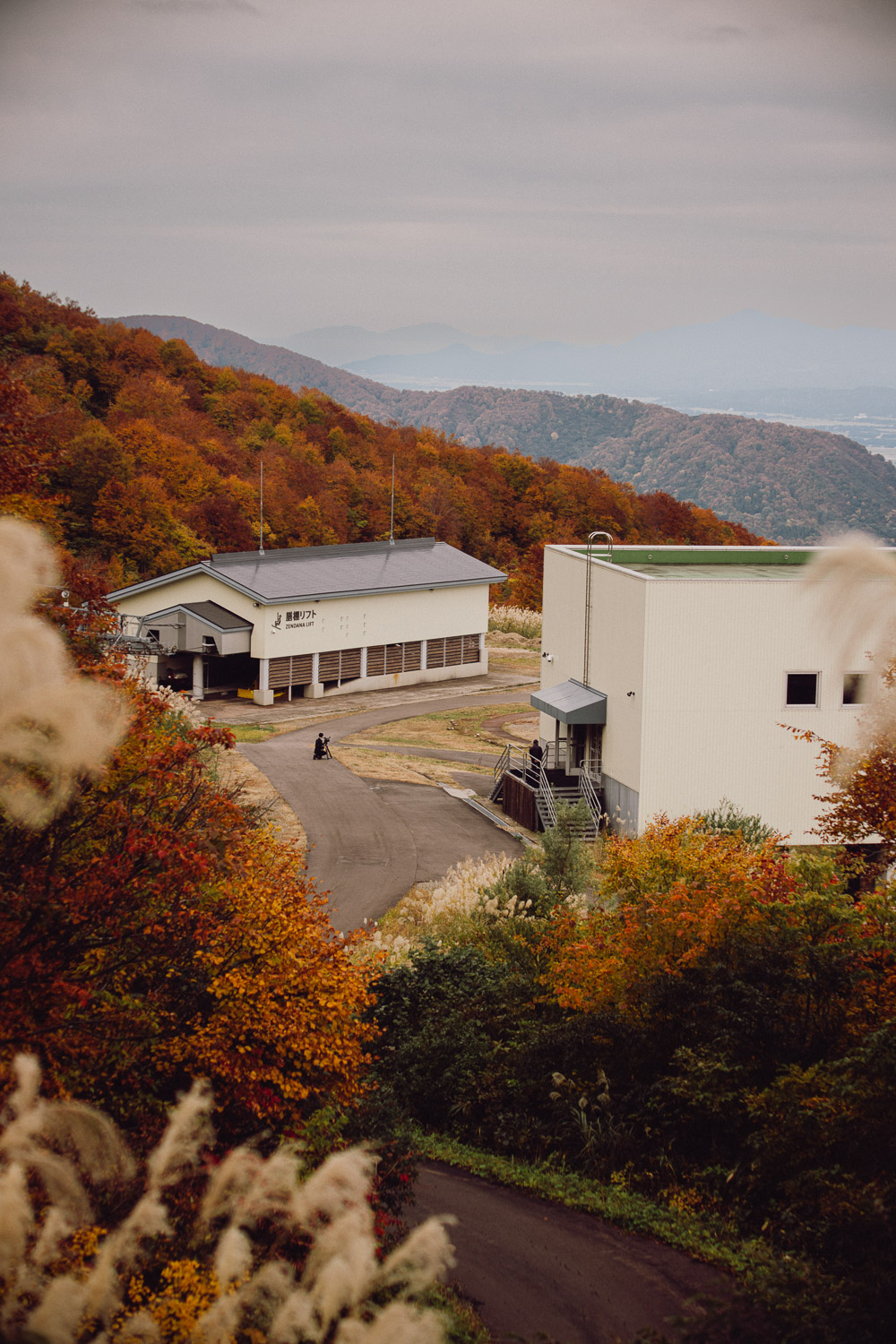
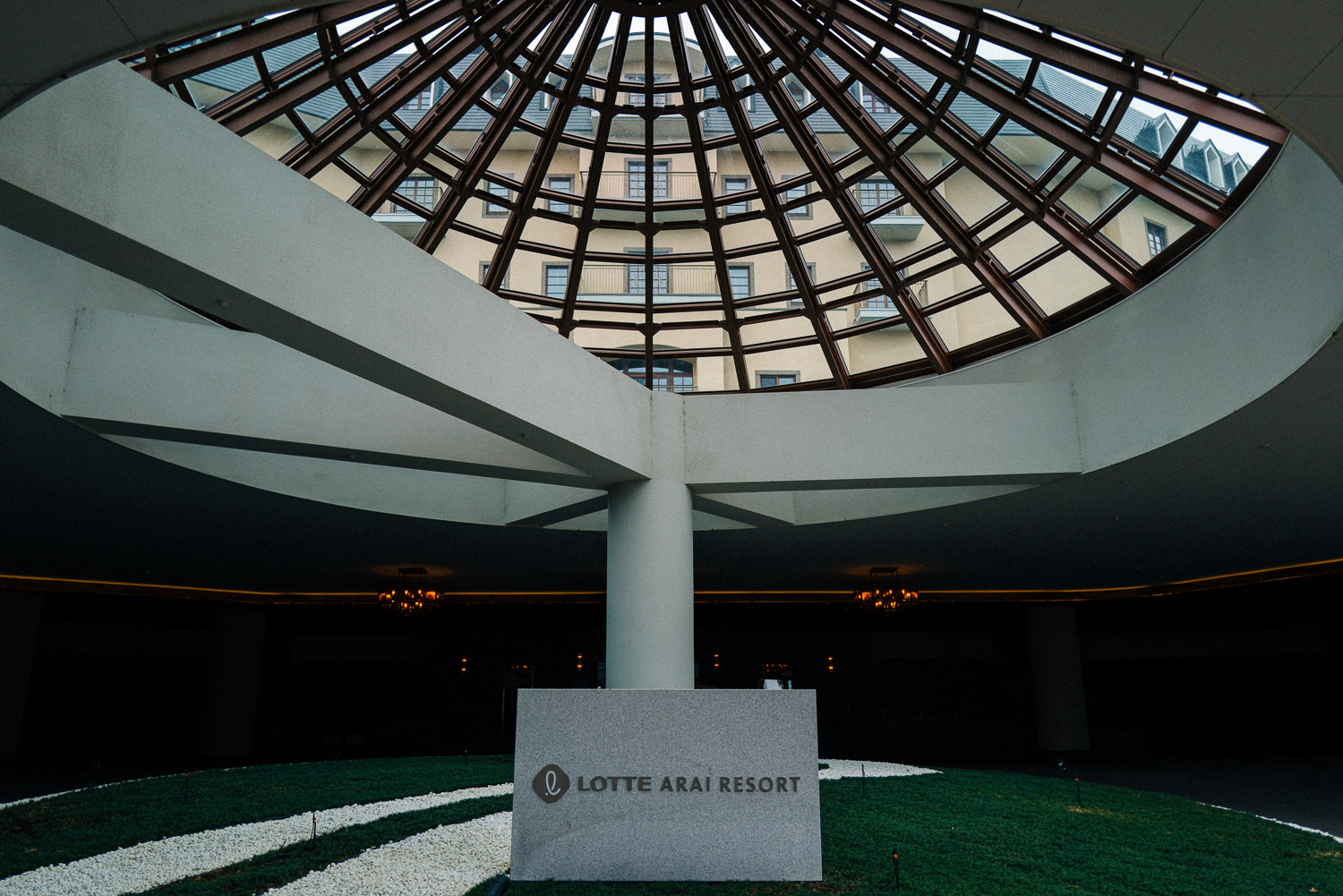
This year at Sea Otter, in conversation with Craig ‘Stikman’ Glaspell – who is so old that he was actually at that race in Arai – filled me in. The history of Arai is that Hideo Morita (eldest son of Sony co-founder Akio Morita) wanted to create a year-round world-class resort – his version of Whistler. His dream came to fruition and, by the early 1990’s they had developed, and opened a luxurious resort, only four hours from Tokyo. Soon after, it hosted World Cups in 1998, 2000 and 2001. Due to an economic downturn and high running costs, however, the family had to pull funding so the resort lay abandoned until 2017 when it was purchased by a Korean company and reopened as Lotte Arai Resort.
Post Sea Otter, I got stuck into the making of Here, There, and Everywhere. But I never forgot this conversation.
Here, There & Everywhere is built on the premise of opening myself (and, hopefully, others) to a wider experience within cycling. I don’t know about you, but for myself, this has proved true in so many ways. My experiences, along with the inspiration and information I’d been given by the people I’d met along the way, began to form an amorphous idea to build a new trail in Arai tied to the history of the World Cup. I figured that, while it might not work out in the immediate future, I had to take the first steps, by seeing for myself this place looming so large in my imagination. So … we went to Arai.
Ichi-go ichi-e is a Japanese idiom that translates to, “for this time only” – a sort of Japanese Carpe Diem, so … even though we had no idea what to expect, or even what we were looking for, we seized our time and, we were off! Because. To see what we could see. And eat the food. Ichi-go ichi-e.
Mio Suemasa, Junya Nagata, Hajimi Imoto, and Yuki Kushima are all talented Japanese riders I met racing, and, while it felt like I knew them, in reality? I didn’t know anything about them. I saw Mio at World Cups, Yuki in Morzine, Hajimi in Whistler or Junya at an EWS, but we were riding friends – I knew nothing about them, their life, or even where they lived. I did know them well enough, however, to reach out to let them know we were coming. Right away we were treated to our first taste of Japanese hospitality. Junya invited us to Red Bull Downtime and the Kona distributor, A&F Bike, organized an opportunity to host a Show & Shine on the closing day of Fujiten Bike Park. The marketing manager of Arai offered to show us the resort and the old location of the DH track. Yuki would take us around Tokyo and Hajimi would come out to ride.
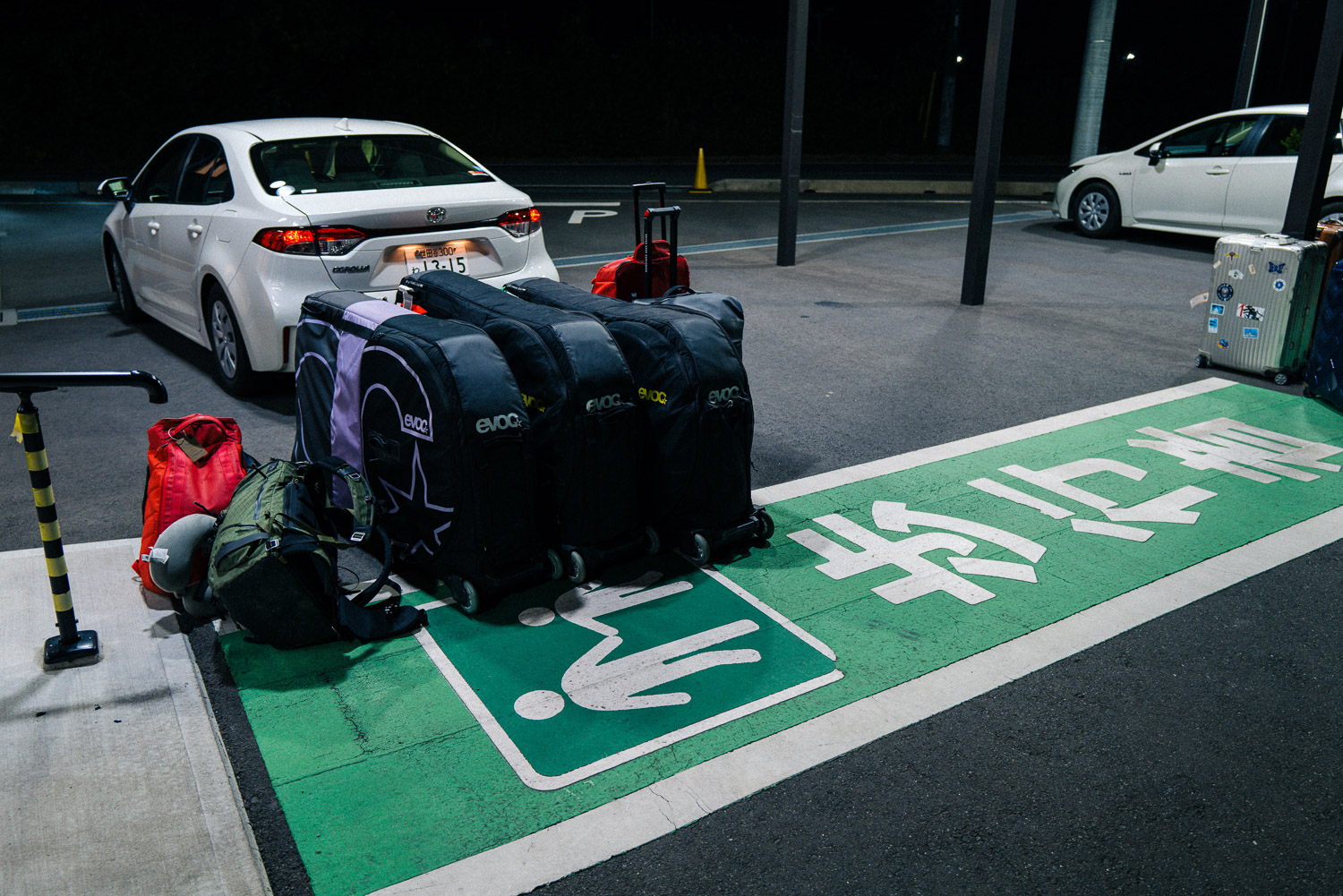
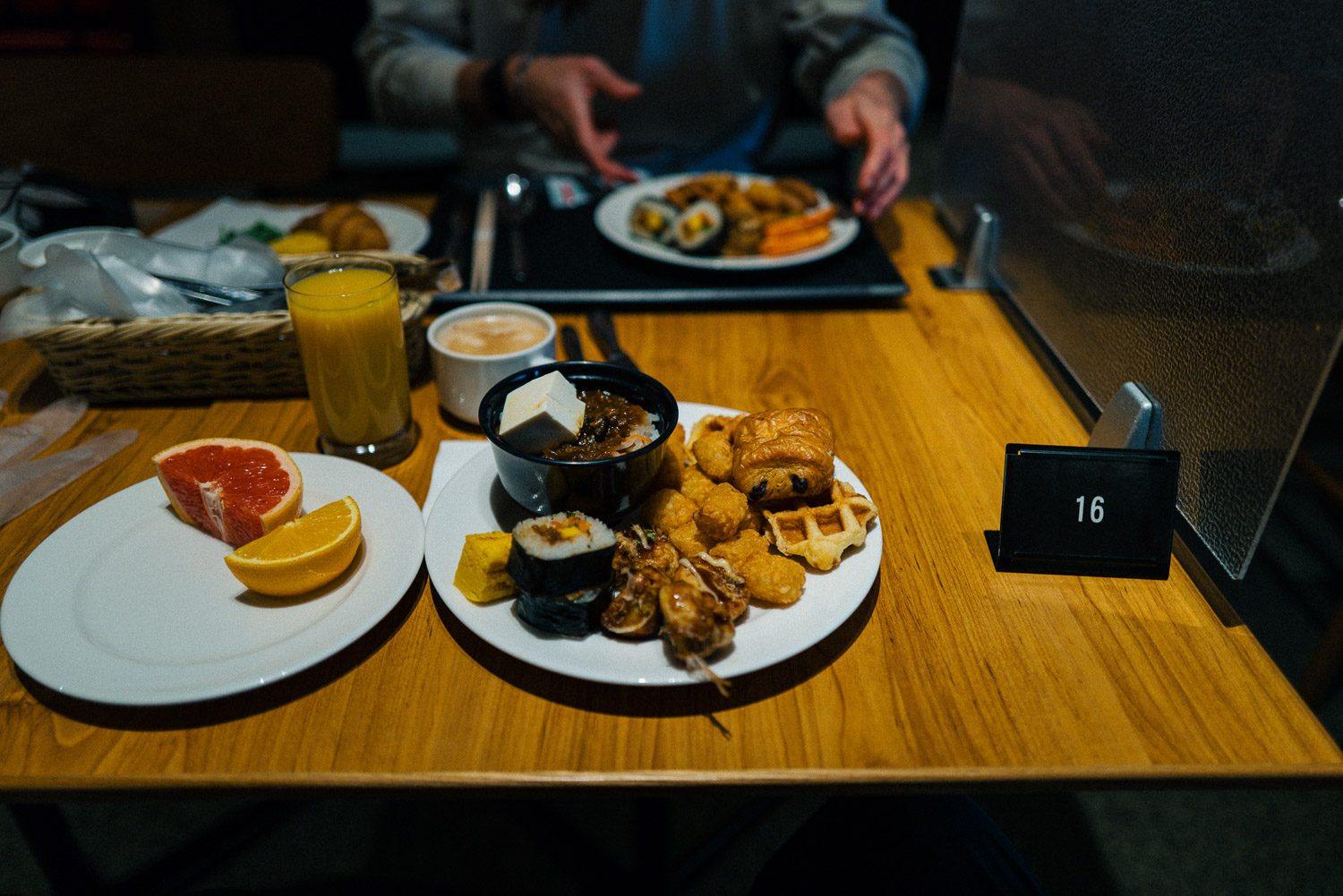
We arrived late and stayed in an airport hotel where we wandered down the street to the nearest izakaya to have our first authentic meal. Memories tied to food are powerful, and this first meal was a great introduction to what was to come.
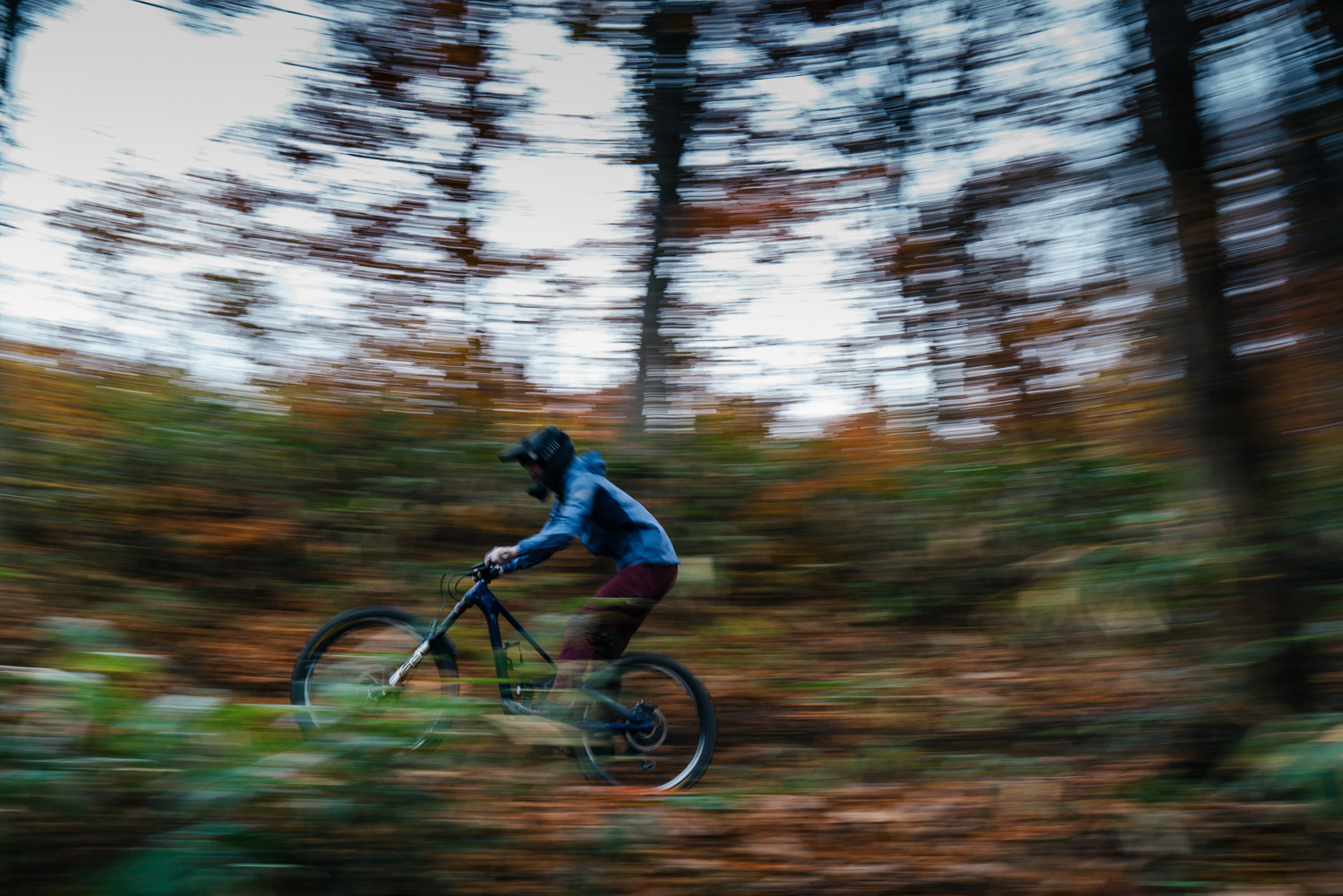
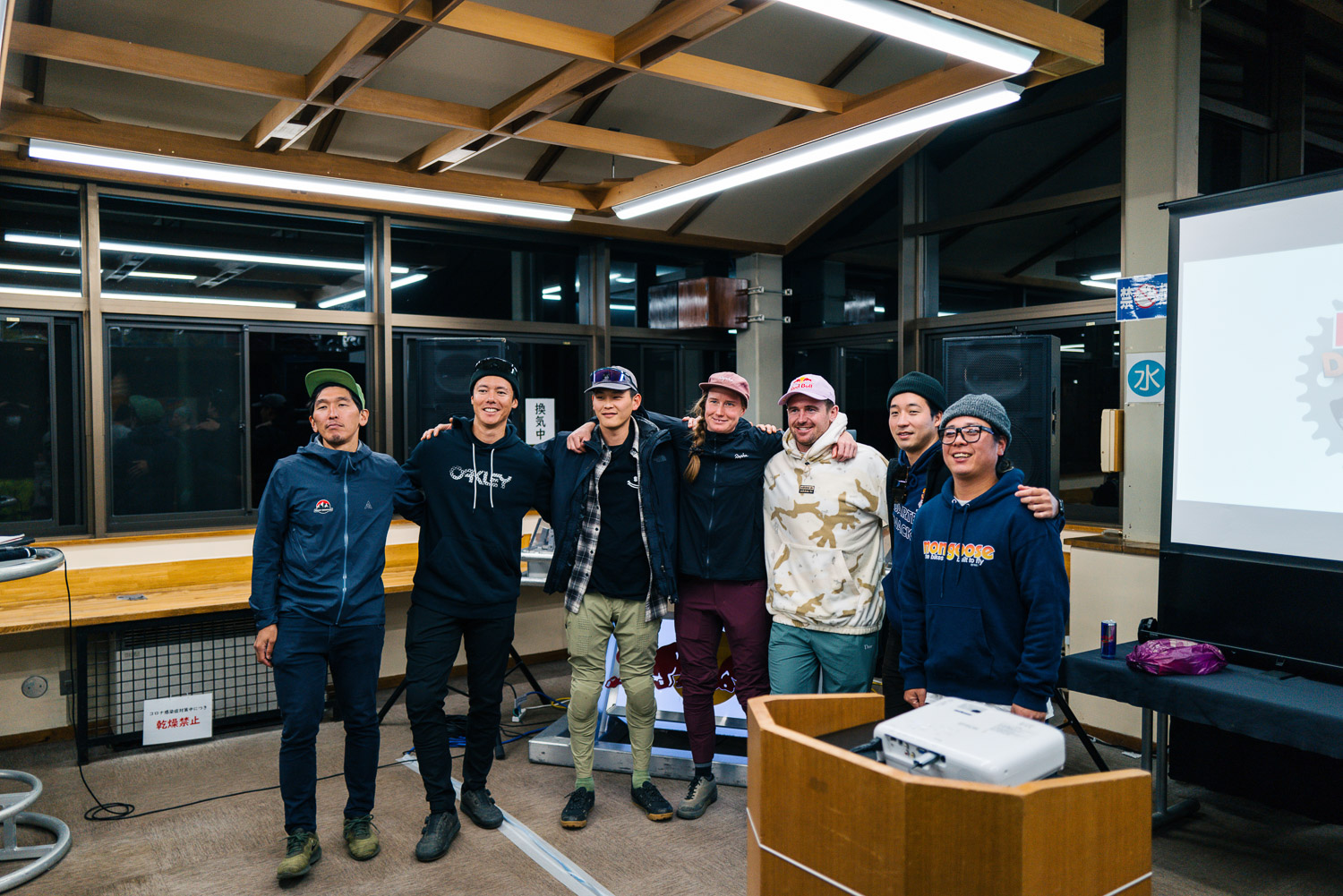
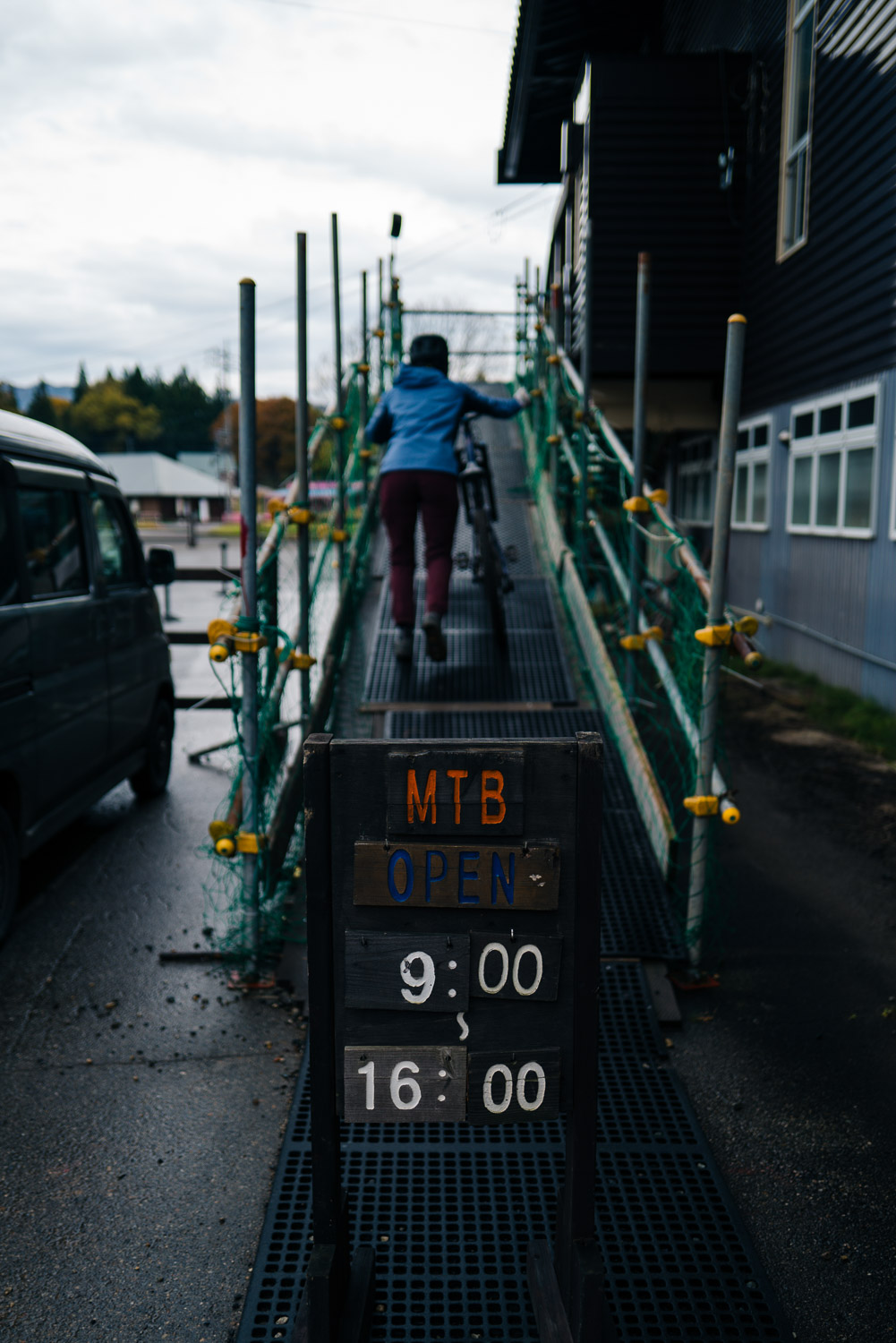
The DownTime event at Fujimi Panorama was my introduction to the Japanese riding scene and I loved it! To ride with so many people, who were stoked to have the opportunity to ride and race and be out in the mountain air for the weekend. Many slept in the parking lot despite temperatures dipping below zero, but the next morning they were all smiles and lining up, courteously and in an orderly fashion, of course, to get the first lift up. Kota Ishizaki from Red Bull Japan and Junya did an incredible job at organizing and hosting – even bringing in Brook Macdonald! The riders battled it out lap after lap trying to get their best time or keep up with Brook. They strategized on line choice together and most rode in trains with friends. I don’t know if it’s the calm patience or the attention to detail everyone possesses, but it felt like the riders were more immersed and focused, really enjoying every moment. Really living Ichi-go ichi-e – I had the feeling that everyone was aware they were exactly where they wanted to be.
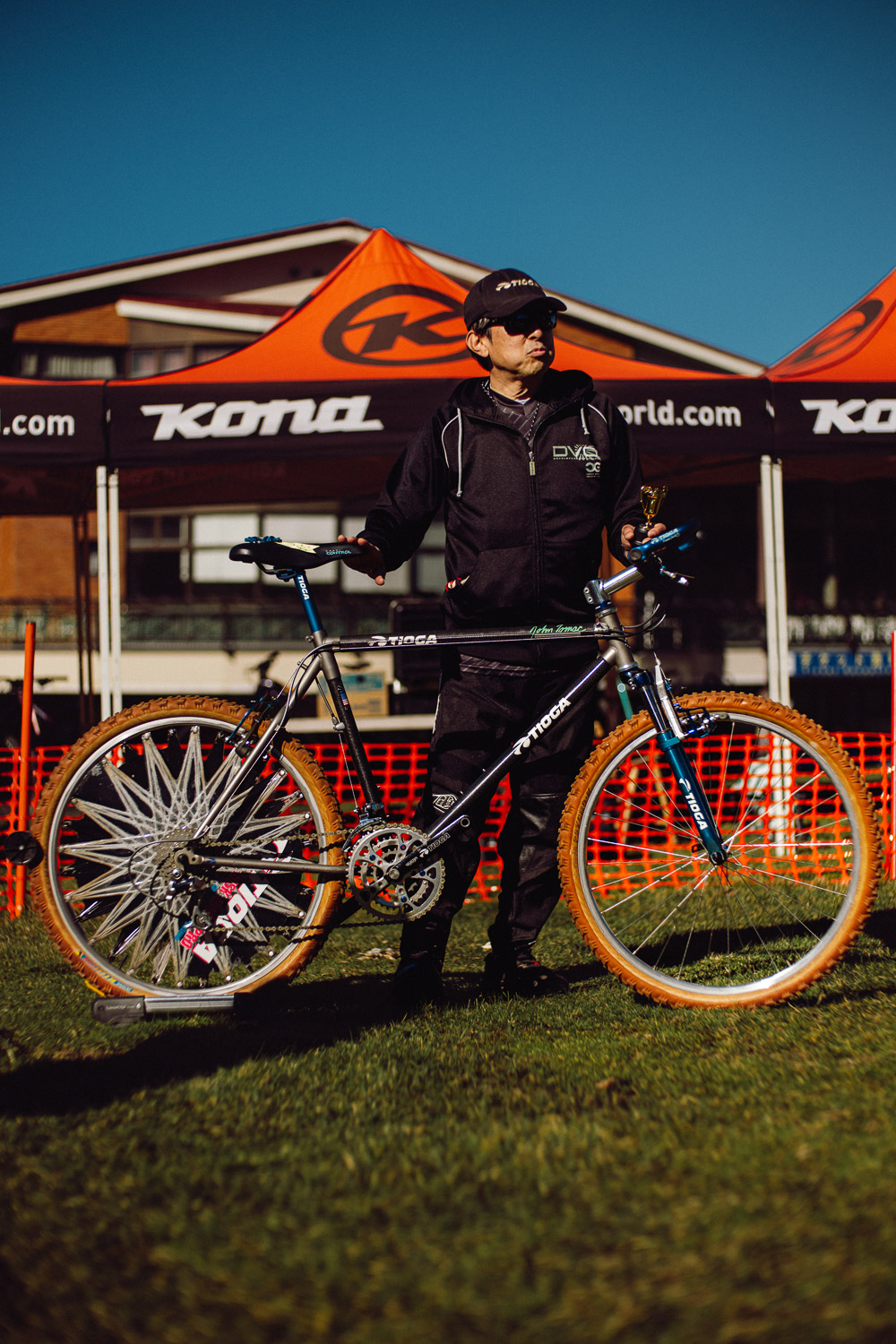
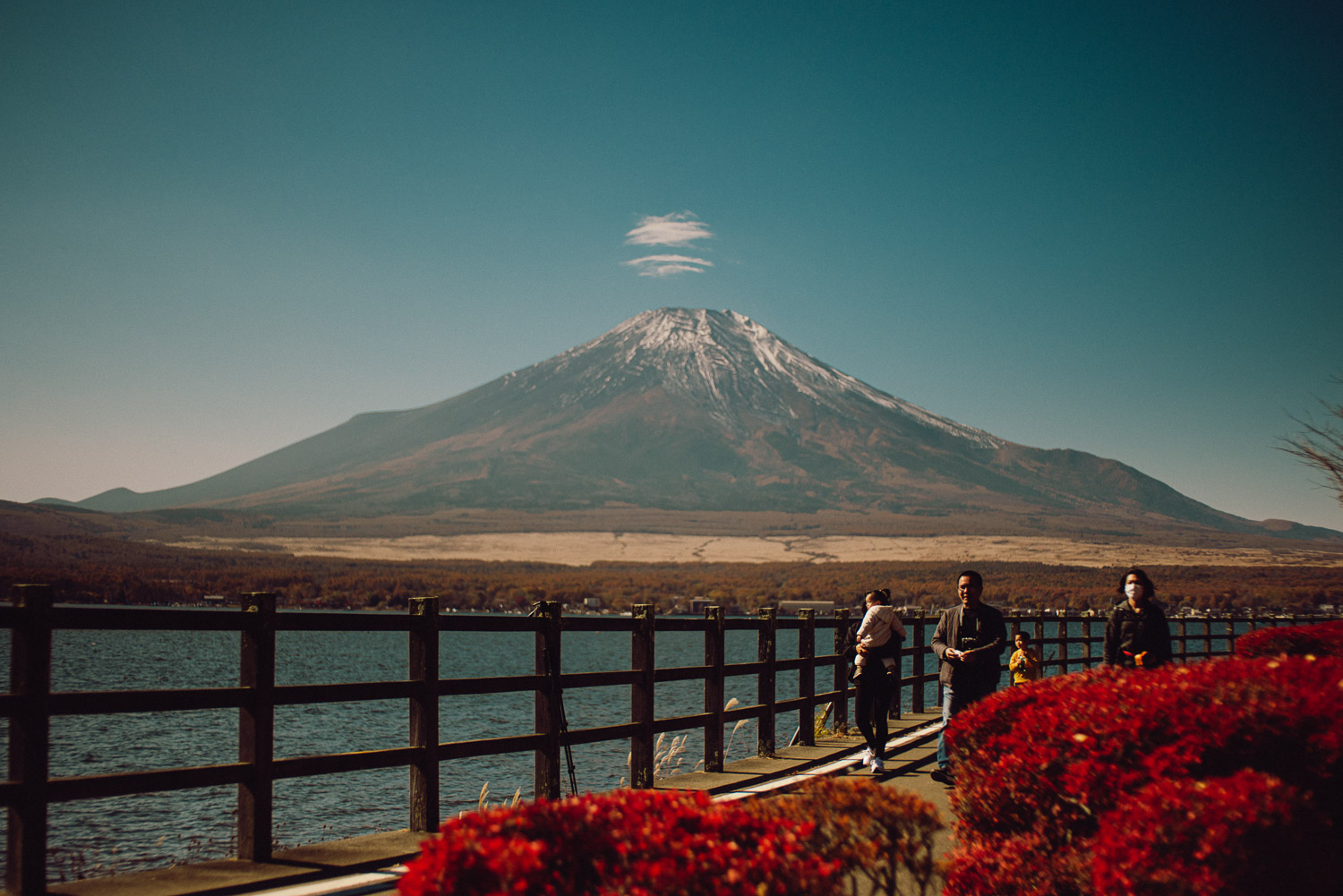
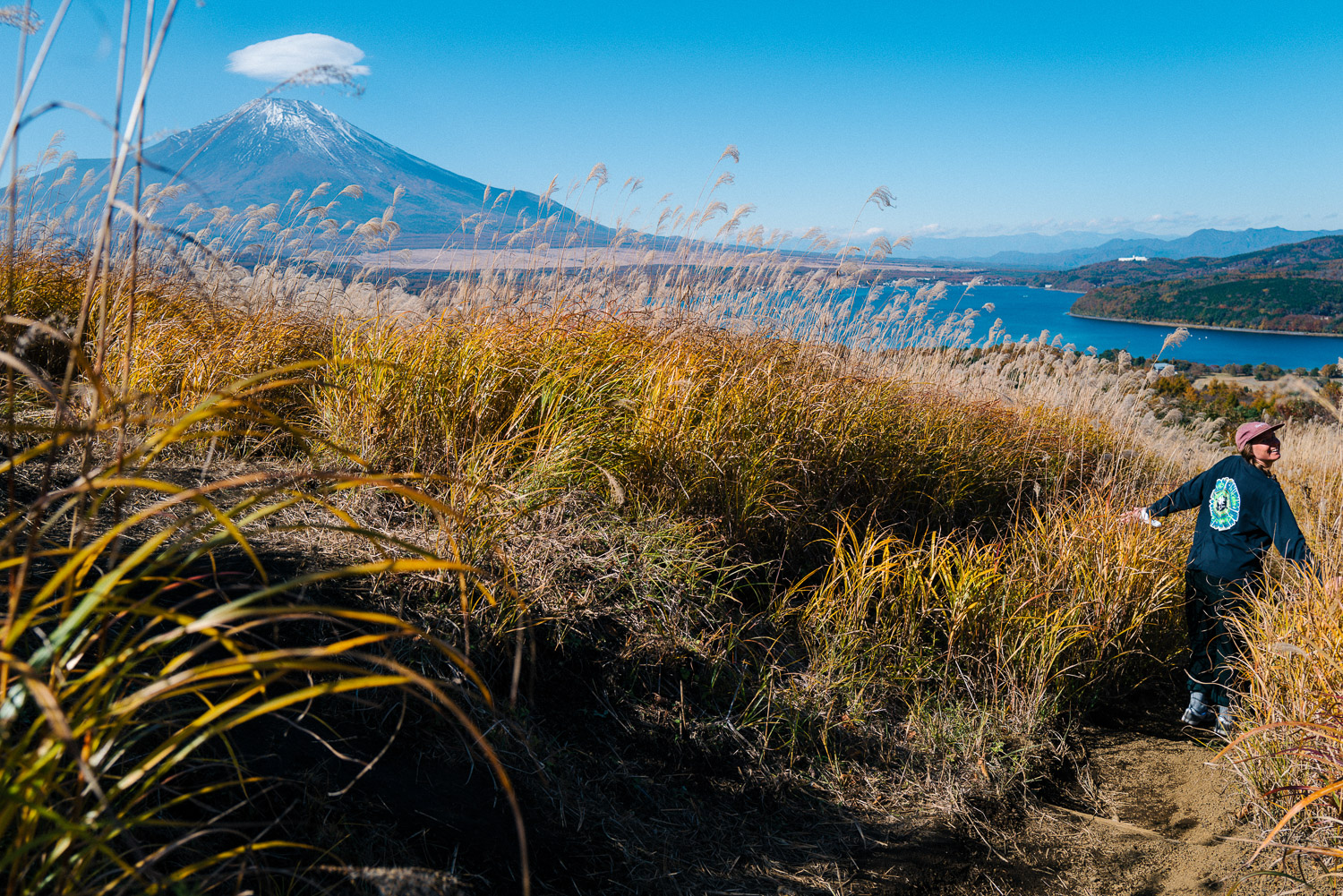
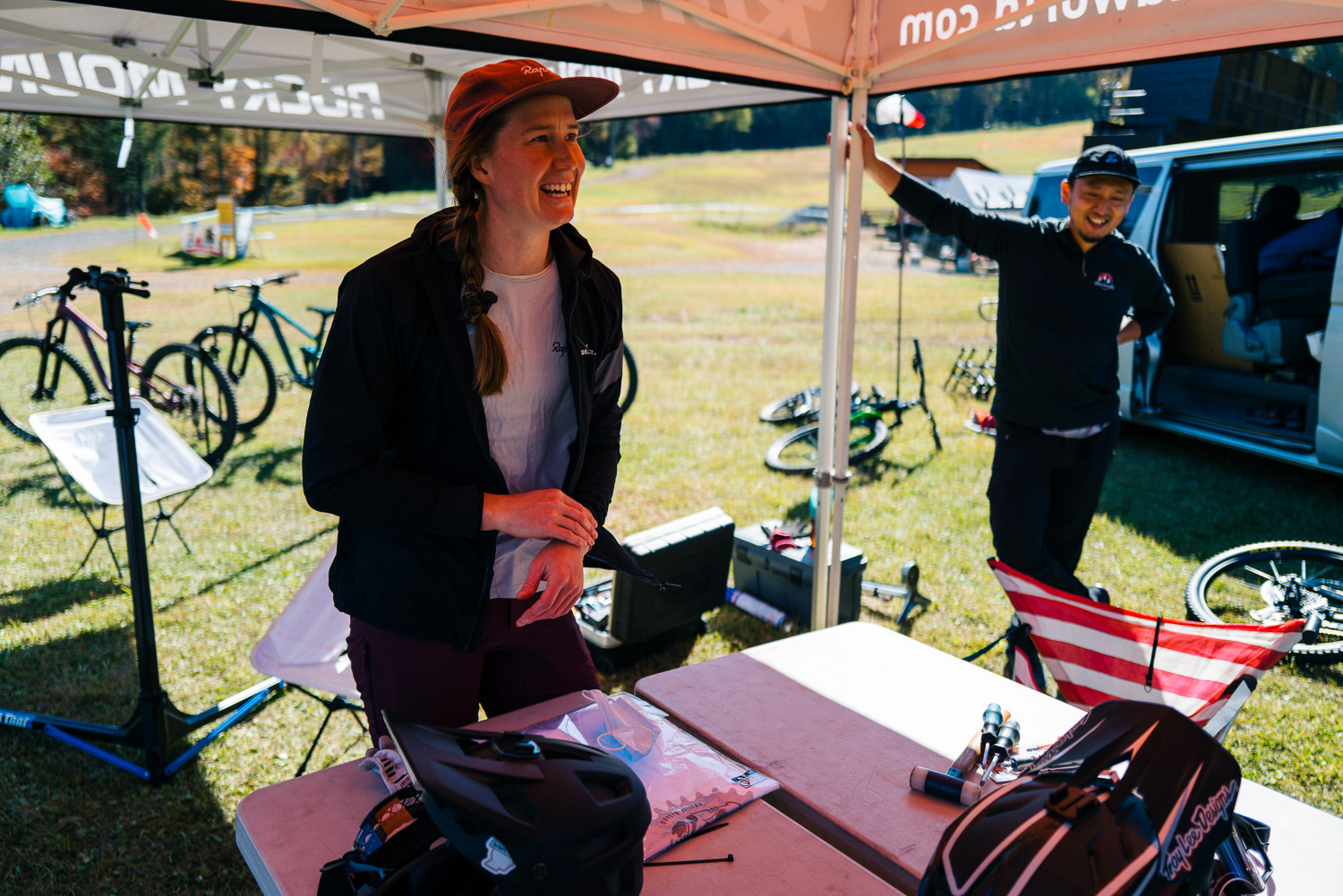
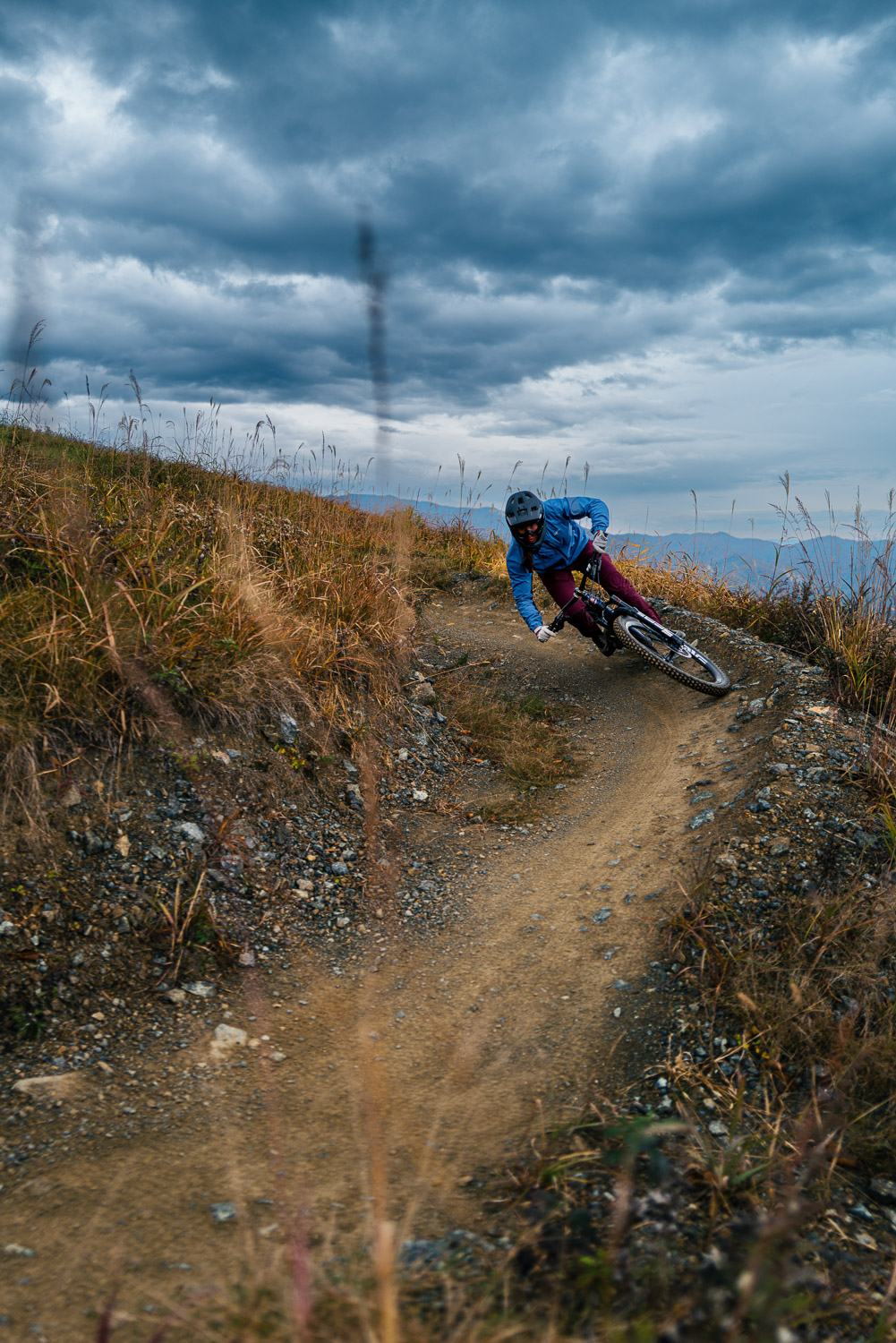
After a couple of mellow days of onsens and riding in Hakuba we made it to Fujiten for their closing day event, hosted by Freerider and trail builder, Daiki Takahashi. It was the perfect way to end our trip. A national holiday, many families attended to ride together. Kona distributor, A&F Bikes, helped host a BBQ lunch for everyone and Daiki awarded a winner for Best Whip and King of the Turn. Fujiten sits right at the base of Mount Fuji which means the dirt is crushed volcanic rock. Fast and flowy, the trails rip through small gullies and weave through tight trees. Truly unique. Fujiten’s trails were a highlight for me.
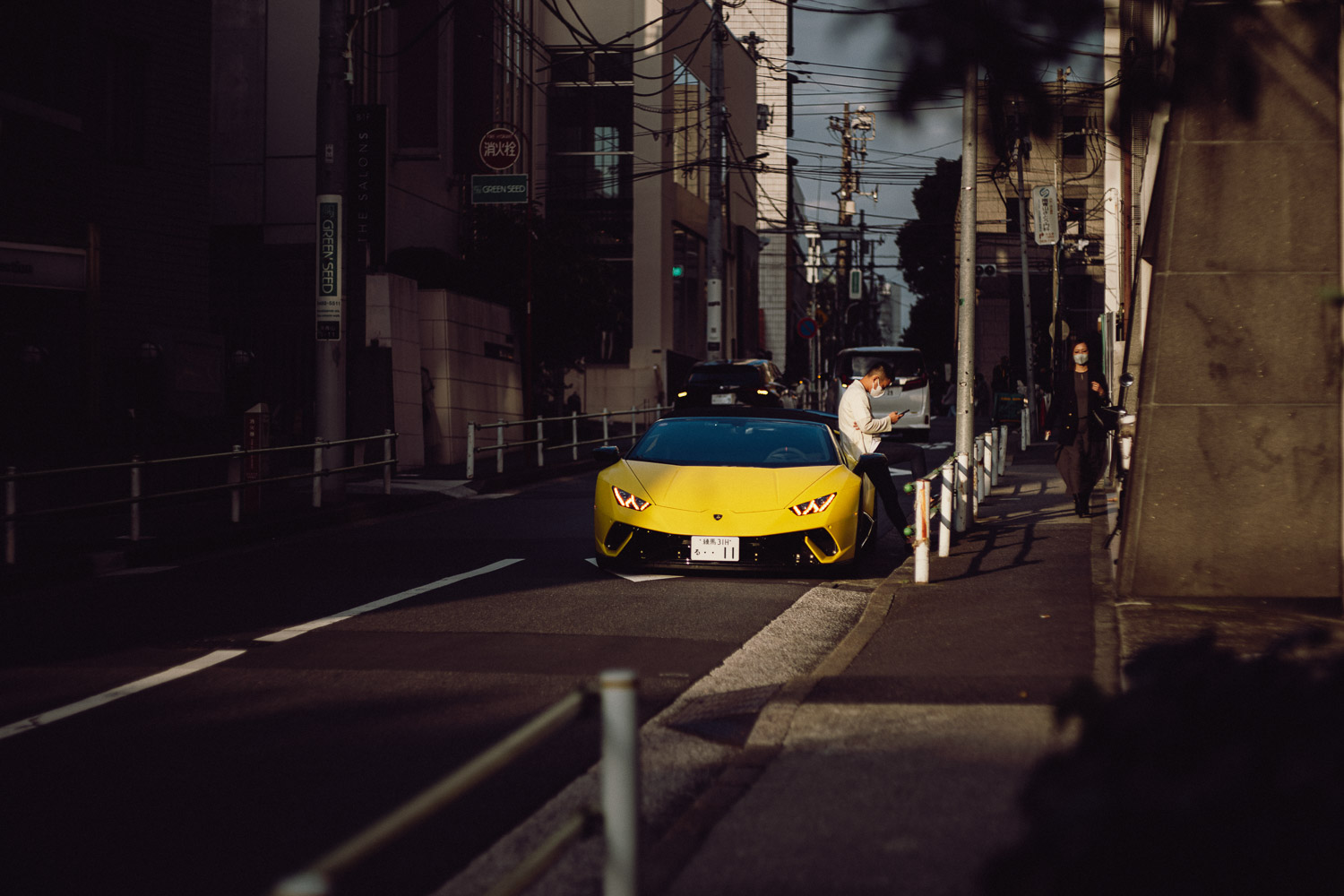
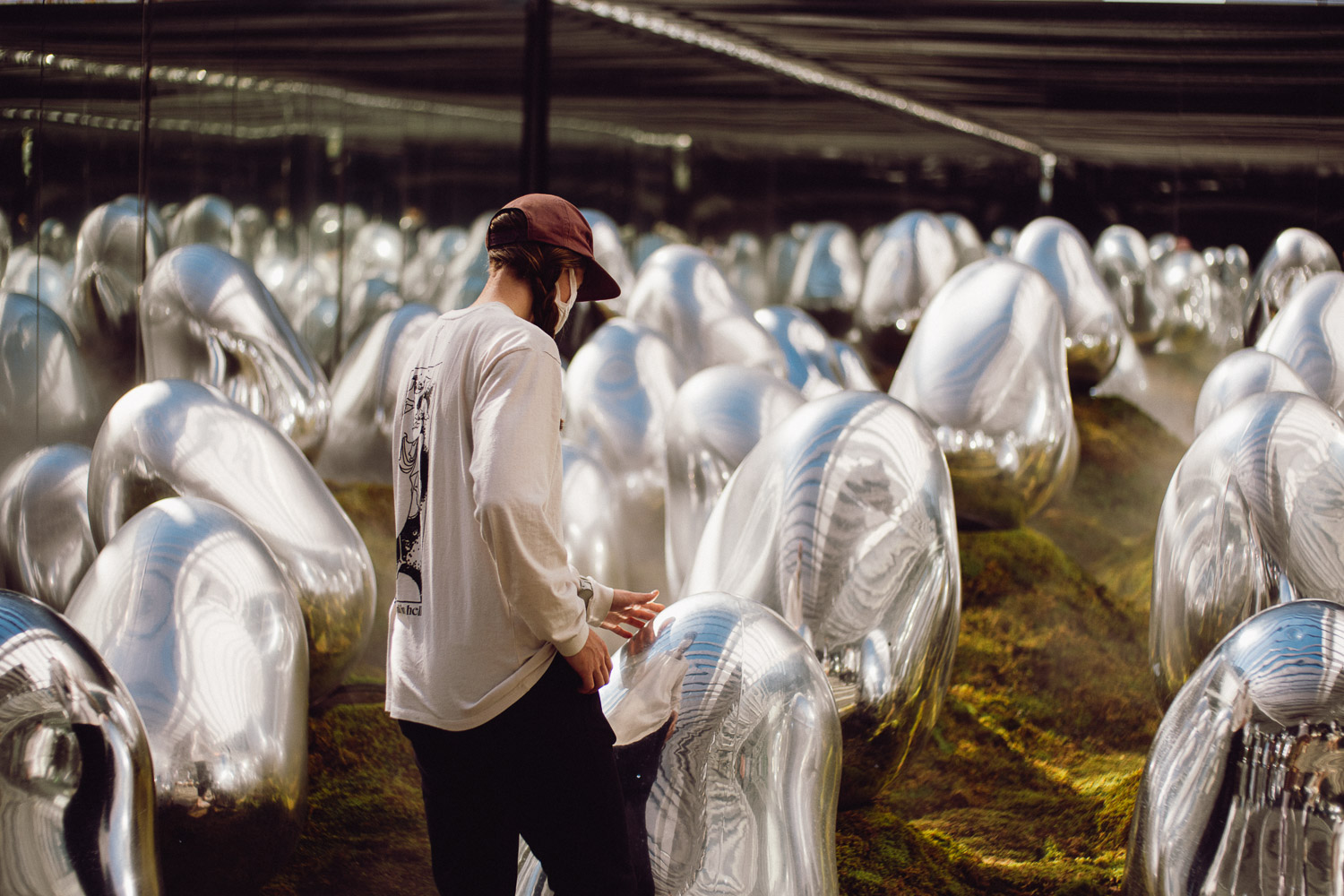
We ate and drank our way around Tokyo, trying to sample every snack from Lawson’s and get our final fill of katsu, ramen and sushi. We looked at 1000-year-old Bonsais, were blinded by bright lights, and mesmerized by TeamLabs Planet installation. Eventually, we had to say our final goodbyes, vowing to return the following summer.
I can usually sit down shortly after filming one of these episodes, with the story that I want to tell already in mind. Why I rode 22 hours of gravel? Why the work of the Ucluelet First Nations is so important. How Revolution Bike Park became one of the greatest bike parks in the world. Writing helps me process the experience while acting, and also, as an additional way to share insights, feelings, and details we couldn’t fit into the film. This time, however, it was different.
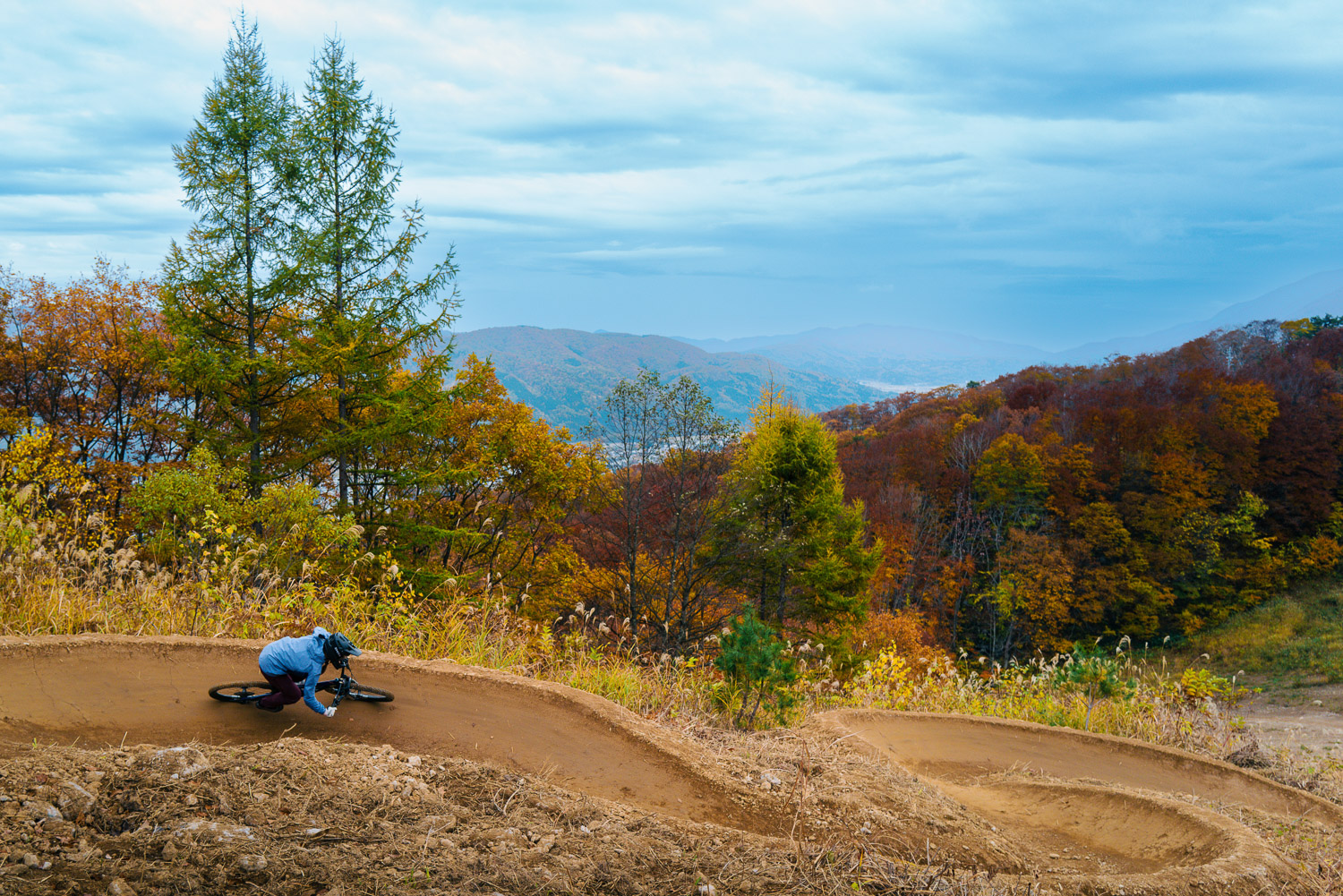
It has been hard to process all we saw, felt, and experienced in Japan. I don’t know why -perhaps the obvious: because it is so culturally different. Japan is the only country that I’ve come home from and actually missed. I won’t be packing my bags and moving, but now I understand the people who do. I always believed I lived in the best place in the world and, as Canadians, aren’t we supposed to be so nice, polite and more hospitable than other countries? But after this trip, I wonder. Maybe we aren’t. All I can do is try to be as good as my Japanese friends and instill some of the qualities I found so admirable in Japanese culture into the way I treat others.
I don’t know when we’ll see mountain biking at Arai, let alone another international race, but I do know, because of the hard work and dedication of athletes like Junya and Yuki, we’ll see a lot more riders from Japan on the international stage.